


What Is Torque on a Motorcycle — and Why Does It Matter?
Torque on a motorcycle is the rotational force produced by the engine that pushes the bike forward. Measured in Newton-meters (Nm) or pound-feet (lb-ft), it is the raw pulling power you feel the moment you roll the throttle — the grunt that pins you to the seat on acceleration. In simple terms, torque is what moves the motorcycle, while horsepower determines how fast it can ultimately go.
Most modern naked bikes and cruisers deliver peak torque between 3,000 and 6,000 RPM, while sport bikes tend to peak higher, closer to 8,000–11,000 RPM. For everyday riding — commuting, overtaking, or carrying a passenger — torque is the number that defines how responsive and effortless your ride feels.
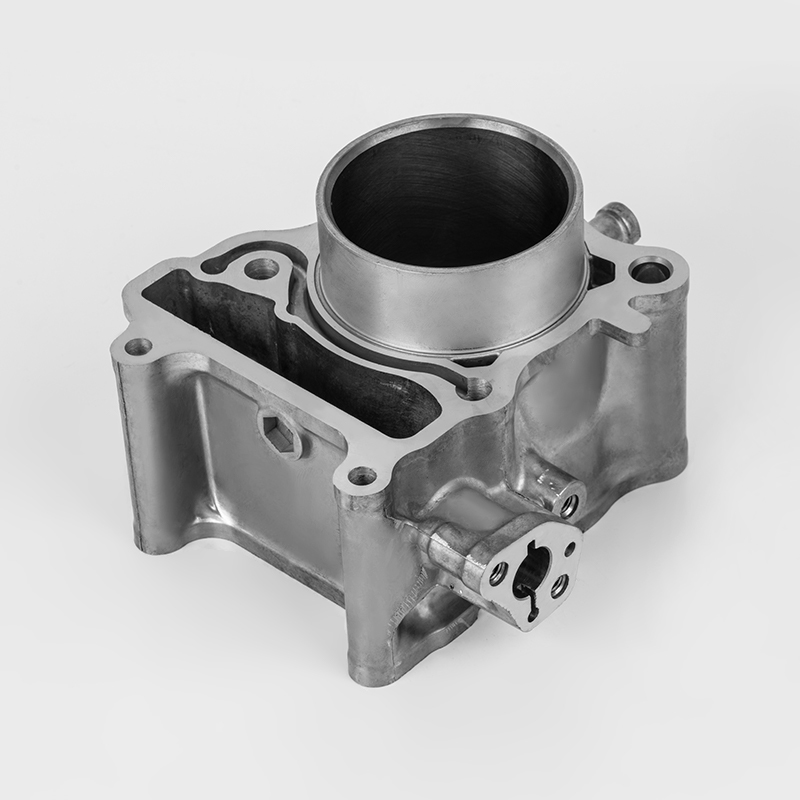
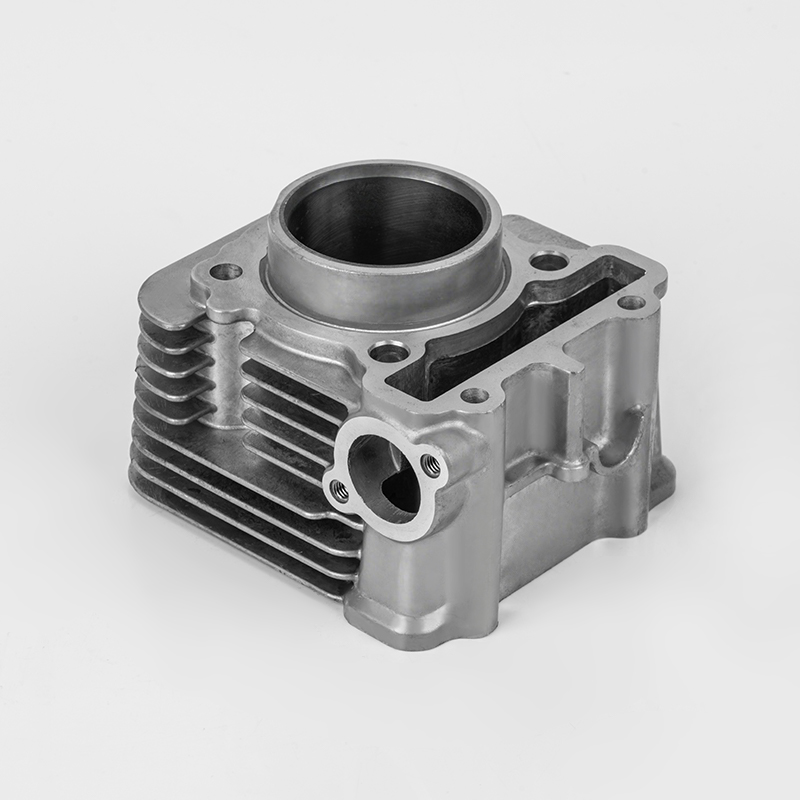
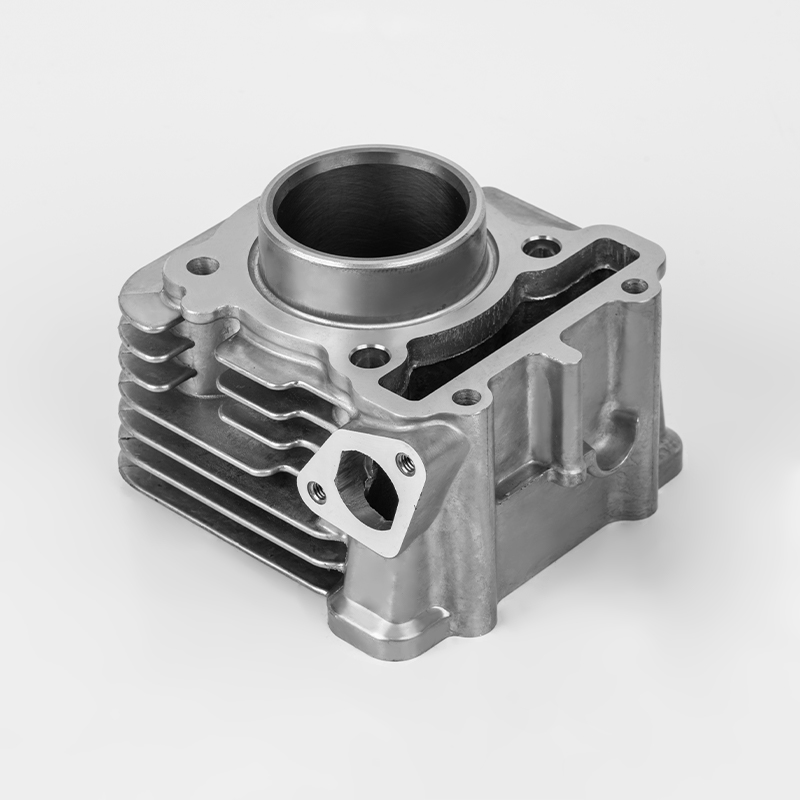
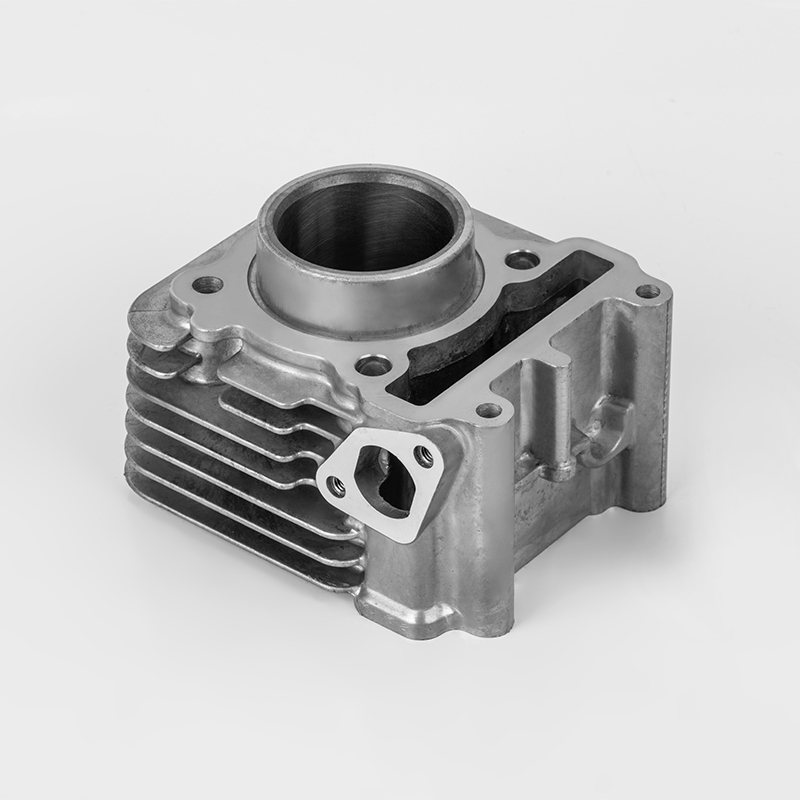
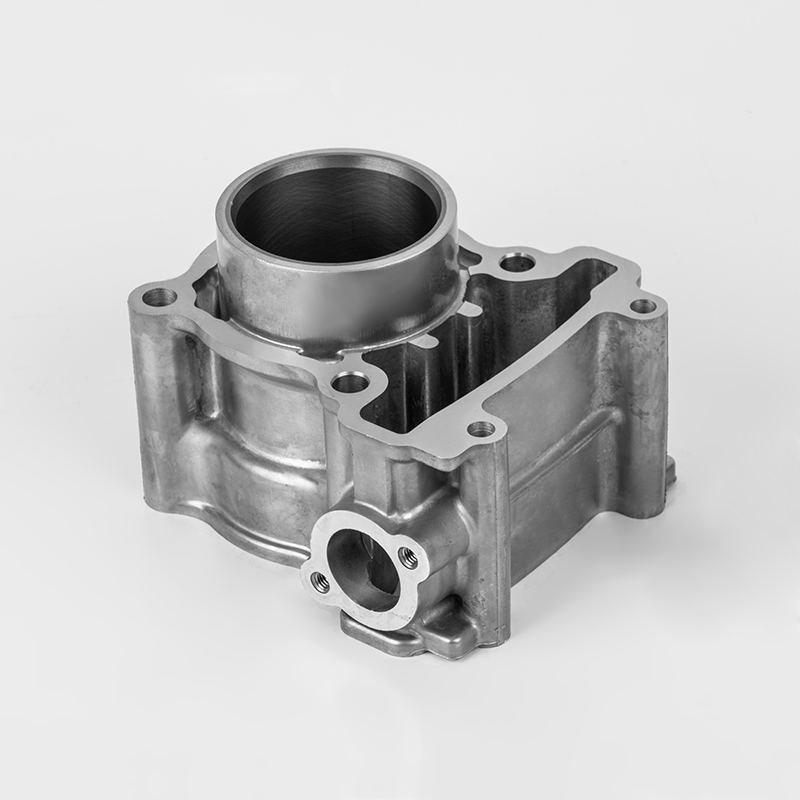
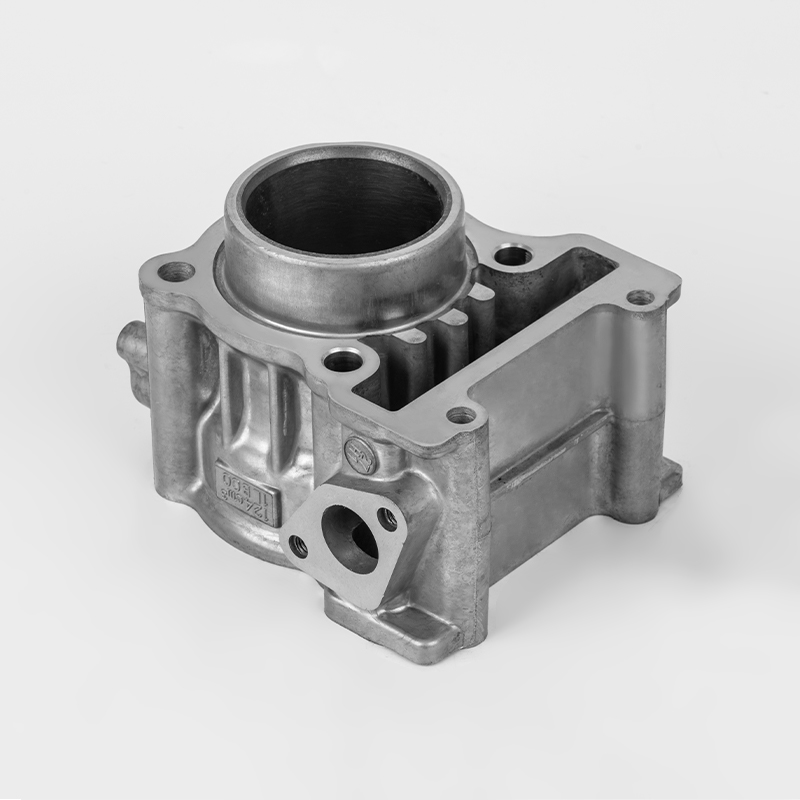
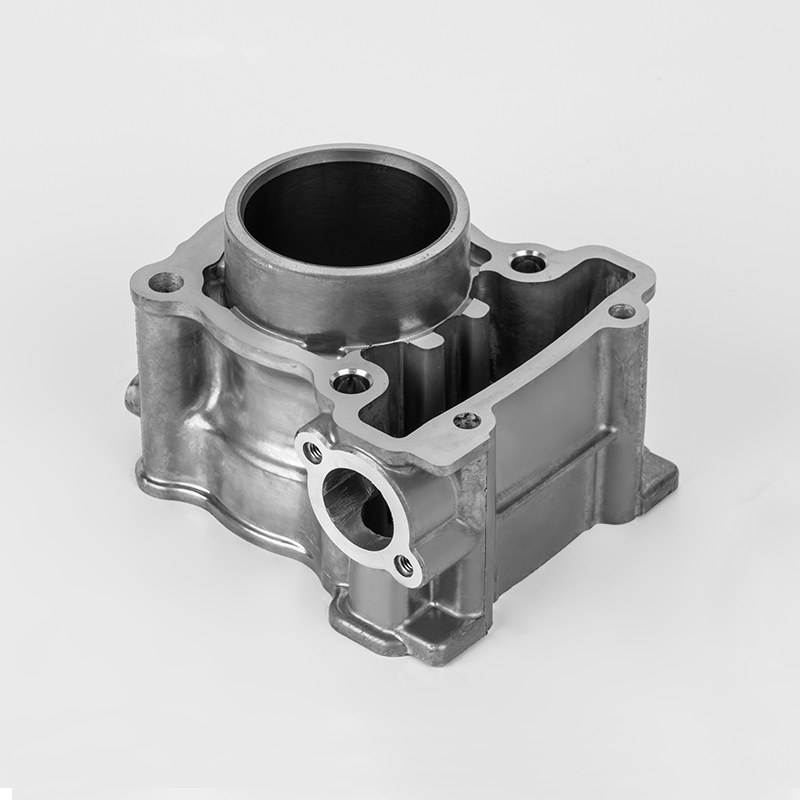
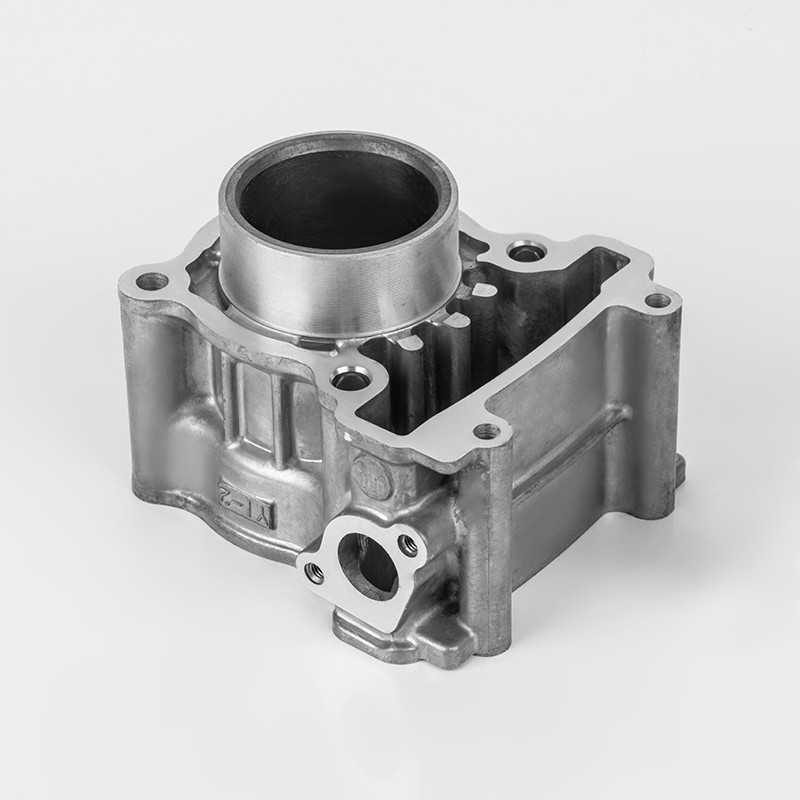
The motorcycle cylinder is directly responsible for generating torque. Larger displacement cylinders, higher compression ratios, and optimized combustion chamber geometry all increase the torque an engine can produce. Understanding the relationship between the motorcycle cylinder and torque is the foundation of engine performance knowledge.
Torque vs. Horsepower: What's the Real Difference?
These two figures appear on every motorcycle spec sheet, yet riders routinely confuse them. Here is how to think about each one clearly.
Torque
The twisting force the engine generates at the crankshaft. It is the force that initially accelerates the bike. High torque at low RPM means strong, immediate pull — the hallmark of cruisers and adventure tourers.
Formula: Torque (Nm) = Force × Distance
Horsepower
The rate at which the engine can do work over time. Horsepower is derived from torque and RPM. High horsepower at high RPM is what drives a motorcycle to 300 km/h — the province of MotoGP-derived superbikes.
Formula: HP = (Torque × RPM) ÷ 5,252
According to Kawasaki's engineering documentation, the Z900 produces 98.6 Nm of torque at 7,700 RPM alongside 92 kW (125 PS) of power. The torque figure is what makes the bike feel muscular in everyday traffic; the power figure is what sustains acceleration beyond 150 km/h.
A classic rule of thumb used by motorcycle engineers: if two bikes share the same horsepower but one has more torque lower in the rev range, the higher-torque bike will almost always feel faster to the average rider on public roads, because most riding happens well below the power peak.
| Category | Peak Torque Range | Peak Torque RPM | Character |
|---|---|---|---|
| Cruiser (V-twin) | 100–170 Nm | 2,500–4,500 | Strong low-end grunt |
| Adventure Tourer | 85–130 Nm | 5,000–7,000 | Broad, usable midrange |
| Naked / Streetfighter | 75–115 Nm | 6,500–9,000 | Punchy mid-to-high |
| Supersport | 60–120 Nm | 9,000–13,000 | Top-end screamer |
| Single-cylinder Enduro | 30–60 Nm | 4,000–7,500 | Linear, manageable |
How the Motorcycle Cylinder Generates Torque
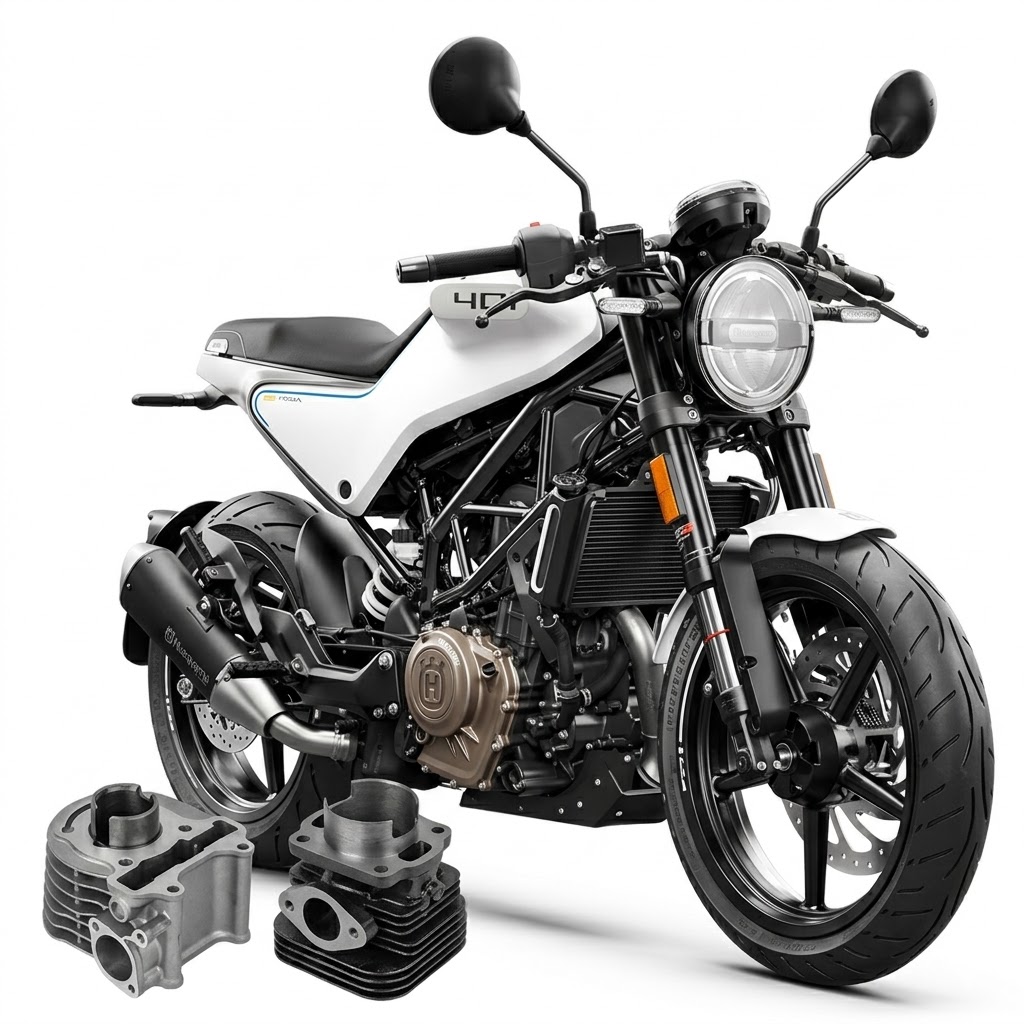
The motorcycle cylinder is the heart of torque production. Every time the fuel-air mixture ignites inside the cylinder, it expands rapidly and pushes the piston down with tremendous force. This downward force is transferred through the connecting rod to the crankshaft, converting linear motion into the rotational torque that drives the rear wheel.
Intake Stroke
The piston descends, drawing a fresh fuel-air mixture into the motorcycle cylinder through the open intake valves. The volume of charge admitted largely determines the potential torque output.
Compression Stroke
The piston rises, compressing the mixture. Higher compression ratios — common in modern motorcycle cylinders at 12:1 to 14:1 — increase the force of combustion and therefore the torque produced.
Power Stroke
Ignition occurs near top dead center. The burning gases expand and force the piston down. This is the stroke that generates torque. The longer the stroke (bore x stroke dimensions) and the higher the cylinder pressure, the greater the torque.
Exhaust Stroke
The piston rises again, pushing spent gases out. Exhaust system design — headers, collector pipe diameter — affects back pressure and has a measurable impact on torque at specific RPM ranges.
Bore vs. Stroke: The Cylinder Dimension That Shapes Torque
The internal dimensions of the motorcycle cylinder — bore (diameter) and stroke (piston travel distance) — fundamentally determine the torque character of the engine.
- Long-stroke engines (under-square): The stroke is longer than the bore. These produce high torque at lower RPM — ideal for cruisers and torquey twins. Example: Harley-Davidson Milwaukee-Eight 114 has a bore of 102.6 mm and stroke of 111.1 mm, producing 166 Nm at just 3,000 RPM (source: Harley-Davidson official specs).
- Short-stroke engines (over-square): The bore is wider than the stroke. These rev freely and produce peak power at high RPM. Example: The Honda CBR1000RR-R Fireblade uses a 81.0 mm bore with a 48.5 mm stroke — extremely short stroke for 14,000 RPM capability (source: Honda 2024 specifications).
- Square engines: Bore equals stroke. These balance torque and power delivery across a wide RPM range. The BMW S1000RR uses an 80.0 mm × 49.7 mm configuration — nearly square for a motorcycle cylinder — giving a strong spread of power from 5,000 RPM upward.
Number of Cylinders and Their Effect on Torque
Not all motorcycle cylinders are created equal in terms of how many appear in an engine. The cylinder count shapes the torque delivery character fundamentally.
- Single-cylinder: One large motorcycle cylinder, one power stroke per revolution. Strong, punchy torque, often with a noticeable lunge. Popular in enduros and commuters (Royal Enfield Meteor 350 produces 28 Nm at 4,000 RPM).
- Parallel twin: Two cylinders firing in a coordinated sequence. Smooth delivery, wide torque band. The Triumph Street Twin produces 80 Nm at 3,200 RPM from its 900cc parallel twin.
- V-twin: Two motorcycle cylinders in a V-configuration. Firing intervals create a characteristic pulse and strong low-end torque. The Ducati Diavel V4 produces 129 Nm at 7,500 RPM (source: Ducati 2024 spec sheet).
- Triple (3-cylinder): A sweet spot between twin torque and four-cylinder smoothness. The Triumph Street Triple R produces 77 Nm at 9,100 RPM — exceptional torque density for a 765cc engine.
- Inline-four: Four cylinders firing in rapid sequence deliver extremely smooth, high-revving torque. The Suzuki GSX-R1000R produces 117.6 Nm at 10,500 RPM (source: Suzuki 2024 technical specs).
- V4: Four motorcycle cylinders in a V layout combine the torque density of a twin with the smoothness of a four. The Aprilia RSV4 1100 Factory produces 125 Nm at 10,500 RPM.
Key Factors That Determine Motorcycle Torque Output
Beyond cylinder count and dimensions, a wide range of engineering decisions inside and around the motorcycle cylinder determine how much torque the engine ultimately makes — and when in the RPM range it arrives.
Engine Displacement
Total swept volume of all motorcycle cylinders. Larger displacement means more air and fuel can burn per cycle. A 1,200cc engine will generally produce more torque than an 800cc engine of the same layout, all else being equal. The Kawasaki Versys 1000 SE produces 102 Nm from its 1,043cc four-cylinder.
Compression Ratio
The ratio of the cylinder volume at bottom dead center to the volume at top dead center. Higher compression — typically 12:1 to 14.5:1 in modern motorcycle cylinders — extracts more energy from combustion, raising torque. The Ducati Panigale V4 runs 14.0:1 compression for its 123 Nm output.
Valve Timing and Lift
Camshaft profiles determine when intake and exhaust valves open and close relative to piston position. Aggressive valve timing that keeps intake valves open longer favors high-RPM torque. Mild timing boosts low-RPM torque. Variable valve timing systems like Honda's VTEC in older VFR models allow a compromise.
Fuel Injection Mapping
Modern motorcycle engine control units (ECUs) precisely control fuel quantity, injection timing, and ignition advance across the entire RPM range. Ride modes (Rain, Sport, Track) often alter the torque curve shape rather than its peak value, affecting how abruptly or smoothly torque builds.
Intake Tract Design
The length and diameter of the intake runners into each motorcycle cylinder create pressure waves that can enhance cylinder filling at specific RPMs — a phenomenon called intake ramming. Short intakes favor top-end power; longer intake trumpets (as seen in throttle body stacks) enhance midrange torque.
Exhaust System
Exhaust header pipe length and collector design create scavenging pulses that help pull spent gases out of the motorcycle cylinder. Properly tuned headers can add 3–8% torque at target RPM ranges compared to a poorly matched system, according to SAE technical papers on exhaust tuning.
How Motorcycle Torque Is Measured and Tested
Torque is measured using a dynamometer — commonly called a dyno — which applies a load to the engine or rear wheel and measures the rotational force at various RPM points. Two types of dyno testing are used for motorcycles.
Engine Dyno (Brake Torque)
The engine is removed from the motorcycle and tested in isolation. This gives true crankshaft torque with no drivetrain losses. Manufacturers cite these figures in official specifications. A figure like "150 Nm at 6,500 RPM" refers to crankshaft output.
Wheel Dyno (Rear Wheel Torque)
The motorcycle sits on rollers and the rear wheel drives the dyno. This measures power after transmission and chain losses — typically 10–15% lower than crank figures. Independent magazine tests use wheel dynos. Cycle World, Motorcycle.com, and MCN all publish wheel dyno results for accurate buyer comparison.
Reading a Torque Curve
A torque curve graph plots Nm (vertical axis) against RPM (horizontal axis). The shape of this curve reveals the engine's character far better than a single peak number:
- A flat torque curve that holds strong from 3,000 to 7,000 RPM means the engine is easy to ride and very flexible — typical of a well-engineered adventure bike motorcycle cylinder layout.
- A peaky torque curve with a sharp rise and fall at high RPM means the engine needs to be kept on the boil — typical of a 600cc inline-four supersport.
- A torque dip in the midrange indicates camshaft or exhaust tuning optimized for specific RPM peaks at the cost of midrange fill — common in older carbureted four-cylinders.
What Motorcycle Torque Means in the Real World
Spec sheet torque numbers only tell part of the story. How that torque is delivered through the drivetrain — and how it matches riding conditions — determines whether a motorcycle feels strong or weak in practice.
Torque and Acceleration Off the Line
High peak torque does not automatically mean fast 0–100 km/h times. Wheel spin management, gearing, and torque delivery consistency matter equally. The Kawasaki H2 SX SE produces 137 Nm at 8,500 RPM and uses a sophisticated launch control to translate that torque into usable acceleration without wheelspin (source: Kawasaki 2024 press release).
Gearing acts as a torque multiplier. A lower first gear ratio multiplies the engine torque before it reaches the rear wheel. A motorcycle producing 100 Nm at the crank with a primary drive ratio of 1.9:1, first gear ratio of 2.6:1, and final drive ratio of 2.8:1 delivers approximately 1,383 Nm at the rear axle before tire contact patch forces take over — illustrating why even modestly torqued engines can launch hard.
Torque in Urban and Highway Riding
Urban riding sits predominantly between 1,500 and 4,500 RPM. A motorcycle with strong torque in this band — say, 80 Nm available from 2,500 RPM — never needs aggressive downshifting to make progress. It pulls cleanly in top gear from low speeds, reducing fatigue.
Highway riding demands sustained torque output, not just peak numbers. The BMW R 1300 GS produces 149 Nm at 6,500 RPM but critically maintains over 120 Nm from 3,500 RPM all the way to 8,500 RPM (source: BMW Motorrad 2024 press materials). This breadth of torque delivery is what makes long-distance machines so comfortable — you never have to hunt for power.
Torque and Carrying Load
Torque is essential when carrying a pillion passenger, luggage, or off-road obstacles. Adding 80 kg of passenger and gear to a motorcycle increases the force required to accelerate. Engines with strong low-end torque from their motorcycle cylinder compensate far more effectively than high-revving screamers. This is why touring-oriented V-twins and boxer twins are preferred for loaded two-up riding.
Torque and Gear Changing Frequency
High torque at low RPM reduces the need for frequent downshifting. Riders on a Harley-Davidson Softail Slim (145 Nm at 3,000 RPM) can often accelerate from walking pace in 4th or 5th gear without snatch or stalling. Riders on a 600cc supersport must drop two or three gears for the same maneuver. This practical difference dramatically affects city riding fatigue.
How to Increase Torque on a Motorcycle
Many riders want more torque from their existing motorcycle. A range of modifications can improve the torque output and delivery of a motorcycle cylinder without a full engine rebuild.
A full system replacement with correctly sized headers tuned for the specific motorcycle cylinder configuration can add 3–10 Nm across the midrange. A slip-on silencer alone rarely improves torque, but a full system with matched ECU remap does. Results depend heavily on the stock exhaust restrictions.
Modern fuel-injected motorcycles often have conservative fuel and ignition maps from the factory for emissions compliance. A professional dyno-tuned ECU remap optimizes fueling and ignition timing across all RPM points, typically recovering 5–15% of hidden torque that the stock map suppresses.
High-flow air filters (K&N, BMC, Sprint Filter) reduce intake restriction and allow the motorcycle cylinder to breathe more freely. Gains are typically modest — 2–5 Nm — but when combined with an exhaust upgrade and ECU remap, the combined effect can be meaningful.
Replacing stock camshafts with aftermarket profiles that extend intake valve opening duration improves cylinder filling. This is an internal engine modification that can significantly reshape the torque curve but requires careful matching to the motorcycle cylinder's other components.
Increasing the bore of the motorcycle cylinder with a big bore kit increases displacement and therefore potential torque output. Common for single-cylinder trail bikes and twins. A typical 450cc enduro bored to 480cc can see torque gains of 8–14% at peak and across the midrange (source: Athena big bore kit dyno data).
Forced induction dramatically increases cylinder filling pressure beyond atmospheric limits. The Kawasaki Ninja H2 uses a centrifugal supercharger to produce 134 Nm from its 998cc inline-four — far beyond what a naturally aspirated engine of that displacement could achieve. Custom turbo kits for larger displacement bikes can double stock torque figures.
Torque Specifications for Popular Motorcycles (2024–2025)
The following torque figures are taken from manufacturer official specifications and independent dyno tests conducted by major motorcycle publications.
| Motorcycle | Engine | Peak Torque | At RPM | Category |
|---|---|---|---|---|
| BMW R 1300 GS | 1,300cc Boxer Twin | 149 Nm | 6,500 | Adventure |
| Harley-Davidson Milwaukee-Eight 114 | 1,868cc V-twin | 166 Nm | 3,000 | Cruiser |
| Kawasaki Ninja H2 | 998cc SC Inline-Four | 134 Nm | 12,500 | Hypersport |
| Ducati Panigale V4 S | 1,103cc V4 | 123.6 Nm | 11,500 | Supersport |
| Triumph Street Triple RS | 765cc Triple | 79 Nm | 9,350 | Naked |
| Honda CRF450R | 449cc Single | 53 Nm | 7,500 | Motocross |
| Yamaha MT-09 | 890cc Triple | 93 Nm | 7,000 | Naked |
| KTM 1290 Super Duke R EVO | 1,301cc V-twin | 140 Nm | 8,000 | Naked |
Torque in Electric Motorcycles: A Different Paradigm
Electric motorcycles do not use a combustion motorcycle cylinder. Instead, electric motors produce torque electromagnetically, and the difference in delivery is dramatic. Electric motors generate maximum torque from 0 RPM — there is no need to rev up before torque arrives.
Instant Torque
The Zero SR/F produces 190 Nm of torque available from 0 RPM. In a combustion engine, that torque level would not arrive until several thousand RPM. The result is a violent, linear surge of acceleration with no gear changes required (source: Zero Motorcycles 2024 specifications).
No Torque Curve Peak
Unlike a motorcycle cylinder engine with a clear torque peak, electric motor output is controllable across the entire speed range via the motor controller. Torque can be mapped to remain constant, taper progressively, or be delivered in programmed profiles.
Harley LiveWire vs. Combustion Comparison
The Harley-Davidson LiveWire ONE produces 116 Nm at 0 RPM, compared to the Sportster S combustion model which produces 96 Nm but requires reaching 6,000 RPM to access it. In city riding, the electric advantage in usable torque is significant.
Managing Motorcycle Torque Safely
High torque is exhilarating, but it demands respect. Modern motorcycle electronics exist specifically to help riders harness maximum torque output without losing traction or control.
Traction Control and Torque Delivery
Traction control systems monitor rear wheel speed against front wheel speed and reduce engine torque the instant wheelspin is detected. Modern systems on bikes like the Aprilia RSV4 can intervene up to 100 times per second, modulating motorcycle cylinder output so the rider feels a smooth, progressive pull rather than a wheel-spinning surge (source: Aprilia APRC system technical documentation).
Torque Management Through Ride Modes
Most modern performance motorcycles offer multiple ride modes that alter the torque delivery character:
- Rain mode: Reduces peak torque and sharpens traction control intervention thresholds. Typically delivers 60–80% of full torque with linear, soft delivery.
- Road/Street mode: Full torque available, moderate traction control sensitivity. The everyday default for most riders.
- Sport mode: Full torque, sharper throttle response, higher wheelspin tolerance before intervention.
- Track mode: Maximum torque, minimum electronic intervention, optimized for experienced circuit riders who want full control.
Torque and Tire Selection
The amount of torque a motorcycle can put to the ground safely is fundamentally limited by the tire contact patch. A tire contact patch on a sport motorcycle is approximately the size of a human palm — roughly 50–80 cm². Oversized torque demands relative to tire capacity result in wheelspin. This is why tire selection matters enormously on high-torque motorcycles: wider rear tires, softer compounds, and radial construction all improve torque transmission.
Common Misconceptions About Motorcycle Torque
Several myths about motorcycle torque persist in rider communities. Addressing them directly helps riders make better decisions when buying or modifying a bike.
More torque always means faster acceleration
Acceleration depends on the torque reaching the rear wheel, the gearing, the weight of the bike and rider, and available traction. A lighter 600cc supersport with 70 Nm can outaccelerate a heavier cruiser with 140 Nm because gearing, weight, and high-RPM power density favor the smaller bike at certain speeds.
V-twin motorcycles always make more torque than inline fours
Displacement determines maximum torque potential more than cylinder layout. A 1,301cc KTM V-twin (140 Nm) and a 1,043cc Kawasaki inline-four (102 Nm) make different torques primarily because of displacement, not layout. A 1,000cc inline-four can make more torque than a 650cc V-twin.
Horsepower is more important than torque for everyday riding
At the RPM ranges used in normal street riding — rarely above 6,000 RPM — torque is the dominant factor in how responsive and effortless the motorcycle feels. Horsepower only becomes the dominant factor at sustained high-speed riding above 150 km/h where aerodynamic drag is the limiting factor.
An aftermarket exhaust always increases torque
A slip-on exhaust with no ECU remap almost never improves torque and frequently reduces it slightly at low RPM while adding top-end noise. True torque gains require a full exhaust system designed for the specific motorcycle cylinder plus a matched ECU tune.
Frequently Asked Questions About Motorcycle Torque
For beginner riders, a motorcycle producing 40–70 Nm of torque delivered in a linear, predictable manner is ideal. Bikes like the Honda CB500F (47 Nm), Kawasaki Z650 (65.7 Nm), and Royal Enfield Meteor 350 (28 Nm) are widely recommended because their torque builds progressively without sudden surges that can catch new riders off guard.
Not directly. Fuel consumption depends on how much torque is demanded, not how much is available. A high-torque cruiser ridden gently at low RPM can be very efficient. However, engines that produce very high torque often have larger displacements and higher compression motorcycle cylinders, which do tend toward higher fuel consumption when pushed hard.
Larger displacement motorcycle cylinders trap more fuel-air mixture per cycle, which means more energy is released per combustion event. This directly translates to more torque at all RPM points, but particularly at low RPM where the absence of intake ramming effects means displacement is the dominant factor. A 1,200cc twin will always make more low-RPM torque than a 600cc twin of similar design.
100 Nm is firmly in the upper-middle range for motorcycles. For context, most 600cc sport bikes produce 60–70 Nm, while middleweight adventure bikes typically reach 90–105 Nm. 100 Nm represents strong, accessible performance — enough for effortless highway overtakes, comfortable two-up touring, and confident off-road use when delivered at appropriate RPM.
As RPM rises beyond the torque peak, the time available for intake filling of the motorcycle cylinder decreases faster than the number of combustion events increases. Intake valve timing, cam profiles, and port flow velocities all reach their limits. The cylinder cannot be fully filled at very high RPM, so the force per combustion event drops, reducing torque even as the power (a product of torque × RPM) may continue to rise briefly.
A single-cylinder motorcycle delivers one power stroke per revolution, creating a distinct, punchy pulse of torque with each stroke. A twin-cylinder fires more frequently, delivering a smoother, more continuous torque application. For equal displacement, a twin-cylinder motorcycle cylinder arrangement generally produces smoother perceived torque delivery, though peak values depend more on total displacement and tuning.
In terms of peak torque number, it is rare — larger displacement almost always wins. However, in terms of torque per kilogram of bike weight (specific torque), some smaller, lighter motorcycles deliver a more ferocious real-world acceleration experience than heavier large-displacement cruisers with much higher peak torque figures.
At higher altitude, air is less dense, meaning the motorcycle cylinder draws in fewer air molecules per intake stroke. Naturally aspirated engines lose approximately 3% of torque for every 1,000 meters of altitude gain. At 3,000 meters elevation, a motorcycle with 100 Nm at sea level will produce closer to 91 Nm. Fuel-injected bikes compensate through oxygen sensor feedback, but full recovery is not possible without forced induction.
When mechanics refer to torque specs in a service manual, they are specifying the tightening torque for fasteners — how tightly bolts should be tightened, measured in Nm or lb-ft. This is completely separate from engine output torque. Motorcycle cylinder head bolts, for example, may be torqued to 45–60 Nm as a fastener spec, while the engine produces 100 Nm at the crankshaft as output.
Yes. A cold motorcycle cylinder does not reach optimal combustion efficiency immediately. Piston ring sealing, oil viscosity, and fuel atomization all improve as the engine warms to operating temperature, typically 80–100°C coolant temperature for liquid-cooled engines. Most manufacturers specify that quoted torque figures apply at fully warmed-up operating temperature.